Thinking about straightening your smile but wondering how long it’ll actually take? You’re in the right place. At Rittenhouse Orthodontics, families ask us this question every single day, and the honest answer is: it depends on your smile. This Philadelphia guide to how long Invisalign takes will walk you through realistic timelines, the full process, and what shapes your personal schedule.
Let’s break it down.

What Is Invisalign and How Long Does It Really Take?
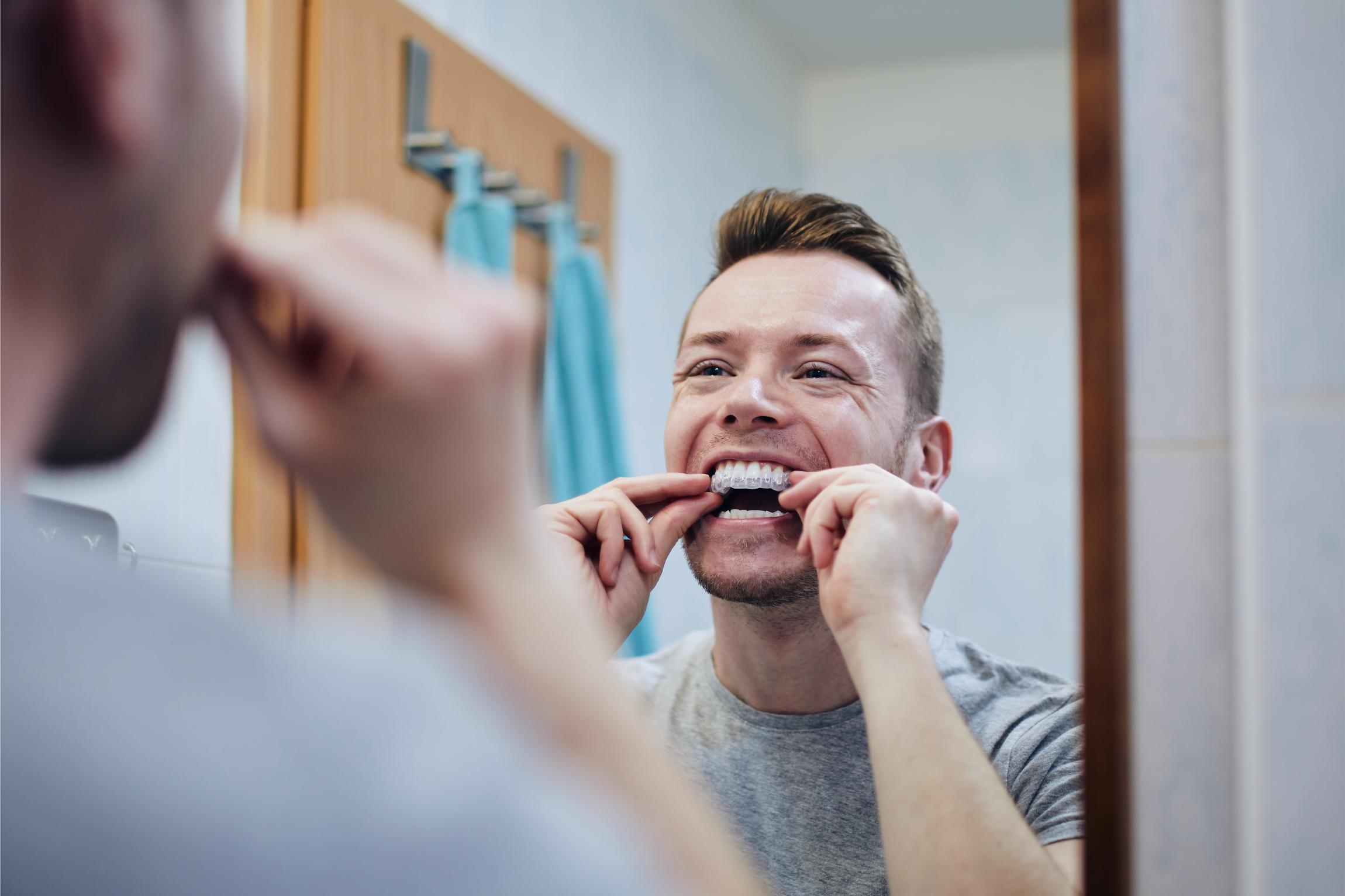
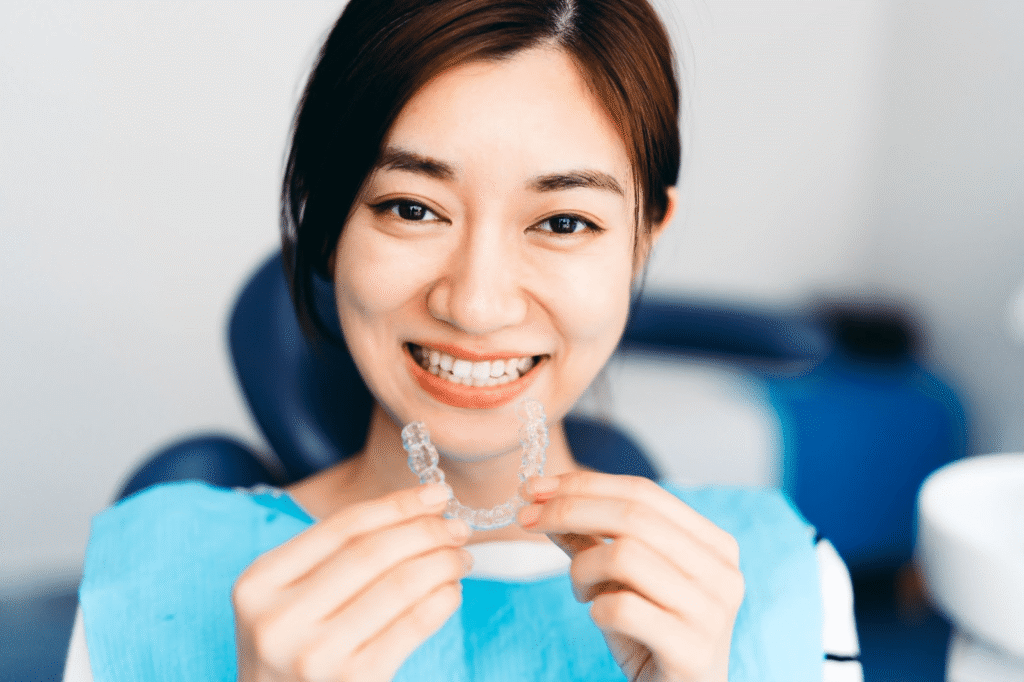
Most Invisalign treatments take 6 to 18 months, with mild cases finishing toward the shorter end and more involved cases taking longer. Invisalign uses a series of custom, clear aligners worn 20 to 22 hours per day. You swap trays every 1 to 2 weeks, and each tray gently shifts your teeth closer to the final result.
Your timeline comes down to three big factors:
- Case complexity (mild spacing vs. a tricky bite)
- Compliance (how consistently you wear your aligners)
- Age and bone response (teens and adults may progress a little differently)
Philadelphia adults love Invisalign because the aligners stay nearly invisible during meetings, client dinners, and courtroom appearances. Teens appreciate how aligners pop out for sports, band, and prom photos.
How the Invisalign Process Works Step by Step
Here’s exactly what to expect from your first hello to your final smile. Dr. Jordyn Middleberg, a board-certified orthodontist, guides every step so you know what’s coming and when.
- Free consult and digital scan. Your first visit at our Rittenhouse or East Falls Philadelphia office starts with a warm welcome, a quick chat about your goals, and a digital scan of your teeth. No goo, no guesses. Just a fast, comfy wand that captures a 3D map of your smile.
- Custom treatment plan with a 3D preview. Dr. Middleberg designs your plan and shows you a 3D ClinCheck preview of how your teeth will move, tray by tray. You get to see the finish line before you start.
- Aligners arrive in 2 to 4 weeks. Once your trays are ready, you’ll come in for a fitting. Small tooth-colored attachments may be bonded to certain teeth to help with specific movements, and tiny amounts of space between teeth (called IPR) may be created if needed.
- Wear each tray 1 to 2 weeks, 20 to 22 hours daily. You’ll only remove them to eat, drink anything other than water, and brush. Keep them in during work, school, and sleep.
- Check-ins every 6 to 10 weeks. These short visits let Dr. Middleberg make sure your teeth are tracking exactly as planned. If anything needs tweaking, we catch it early.
- Retainers to protect your smile results. Once your active treatment ends, retainers lock in your new smile for the long haul.
The whole experience is designed to fit around your real life, not the other way around.
Benefits of Choosing Invisalign for Faster, Discreet Treatment
Why do so many Philadelphia professionals, students, and parents pick Invisalign? Because it works with your schedule, your style, and your social calendar.
Here’s what makes aligners such a strong fit for busy Philly families:
- Nearly invisible in every photo. Whether you’re presenting at a Center City firm, teaching a class at Penn, or snapping selfies on South Street, your aligners stay low-key.
- Removable for meals and big moments. Weddings, interviews, graduation photos, first dates. Pop them out, smile naturally, pop them back in.
- Fewer visits than metal braces. Invisalign check-ins happen every 6 to 10 weeks, while braces typically need adjustments every 4 to 8 weeks. That’s a real win for packed calendars.
- No food restrictions. Cheesesteaks, soft pretzels, popcorn at the movies, caramel apples at Reading Terminal. Nothing is off-limits because the trays come out when you eat.
- Easier brushing and flossing. Take them out, clean your teeth normally, and put them back. Your oral hygiene routine barely changes.
- Smooth, comfy edges. No wires or brackets rubbing against your cheeks or lips.
- Often faster for mild to moderate cases. For many spacing and crowding issues, Invisalign can wrap up quicker than metal braces.
Adults make up a big portion of our Invisalign families at Rittenhouse Orthodontics, and teens love that aligners don’t change how they look in yearbook photos. Whether you’re commuting from Fairmount or walking over from Rittenhouse Square, treatment feels built around your life.

Invisalign vs. Traditional Braces: Timeline Comparison
Short answer: Invisalign typically takes 6 to 18 months, while braces usually run 12 to 24 months. For mild spacing or crowding, Invisalign is often the quicker option. For complex bite corrections, braces sometimes work faster because they’re on 24/7 automatically.
Here’s a side-by-side look to help you compare:
| Feature | Invisalign | Metal Braces | Clear Braces |
|---|---|---|---|
| Average treatment time | 6 to 18 months | 12 to 24 months | 12 to 24 months |
| Visibility | Nearly invisible | Highly visible | Less visible |
| Comfort | Smooth plastic | Wires and brackets | Wires and brackets |
| Visit frequency | Every 6 to 10 weeks | Every 4 to 8 weeks | Every 4 to 8 weeks |
| Food restrictions | None (trays removed) | Several | Several |
| Compliance needed | Very high | Low (always on) | Low (always on) |
The biggest timeline difference comes down to one thing: compliance. Invisalign only works when you wear it 20 to 22 hours per day. Braces don’t give you that choice, which is why they can sometimes stay on schedule more easily for younger families. Dr. Middleberg will walk you through the honest pros and cons so you choose the option that matches your lifestyle and goals.
What Affects Your Invisalign Timeline
The more trays and refinements your smile needs, the longer treatment runs.
Here’s what influences your Invisalign timeline:
- Case severity. Mild crowding needs fewer trays. Complex bite corrections need more.
- Number of aligners. Each set represents about 1 to 2 weeks of movement.
- Refinements. Some smiles need a short second round of trays to perfect the final result.
- Compliance. This is the single biggest factor you control. Consistent 20 to 22 hour wear keeps you on schedule.
Are You a Good Candidate for Invisalign?
Most healthy teens and adults are great Invisalign candidates. Dr. Middleberg, board-certified by the American Board of Orthodontics, confirms candidacy quickly with a digital scan at your free consult in our Philadelphia office.
You’re likely a strong fit if you have:
- Mild to moderate crowding or spacing
- Overbite, underbite, or crossbite within a treatable range
- Healthy teeth and gums (no untreated decay or gum concerns)
- Discipline to wear trays 20 to 22 hours daily
- A teen or adult-aged smile (we treat both)
Invisalign may not be the best option for severe skeletal issues that need a surgical approach, but those cases are less common than you’d think. Most families who walk into our Rittenhouse or East Falls office leave their consult with a clear answer and a plan.
Frequently Asked Questions About Invisalign Timelines
How long does an initial Invisalign appointment take?
Your first visit at Rittenhouse Orthodontics is relaxed, not rushed, and our team can tell you what to expect when you schedule. It covers your warm welcome, a chat about your goals, a digital scan, a quick exam with Dr. Middleberg, and a review of your options. You’ll leave knowing if Invisalign is a fit and what your timeline could look like.
Do I need a retainer after Invisalign?
Yes. Once your active treatment ends, a retainer holds your teeth in their new positions while the bone and gums around them settle. Wearing it as Dr. Middleberg recommends is the best way to protect your smile results for the long haul.
What is the hardest week of Invisalign?
For most people, it’s the first few days of each new tray, especially the first week of treatment overall. Your teeth are adjusting to fresh pressure, so you may feel some tenderness. The feeling usually fades within 2 to 3 days as your mouth adapts.
Is it hard to get approved for Invisalign?
Not for most families. If you have healthy teeth and gums and a mild to moderate orthodontic concern, you’re very likely a candidate. Dr. Middleberg confirms this quickly with a digital scan and exam at your free consult, so you’ll have an answer the same day.
How often will I visit the orthodontist during Invisalign?
Check-ins happen about every 6 to 10 weeks. These visits are short and let Dr. Middleberg confirm your teeth are moving as planned. That’s a lot less office time than metal braces, which usually need adjustments every 4 to 8 weeks.
Can I speed up my Invisalign treatment?
The fastest route is consistent wear: 20 to 22 hours every single day. Skipping tray time or leaving aligners out for long stretches slows progress and can add months. Follow Dr. Middleberg’s plan, keep your check-ins, and you’ll stay right on schedule.
Ready to Start Your Smile Story?
Your Invisalign timeline becomes a lot clearer once you’ve had a real conversation with a board-certified orthodontist. At Rittenhouse Orthodontics, we make that first step easy. Dr. Jordyn Middleberg carries forward Dr. Orhan Tuncay’s pioneering legacy with high-tech smiles for your whole family, right in the heart of Philadelphia.
Visit us at our Rittenhouse office at 1518 Walnut Street, Suite 500, Philadelphia, PA, or our East Falls location. Both are built for busy families and flexible schedules.
Start with a free consultation and let’s map out your smile, your way.