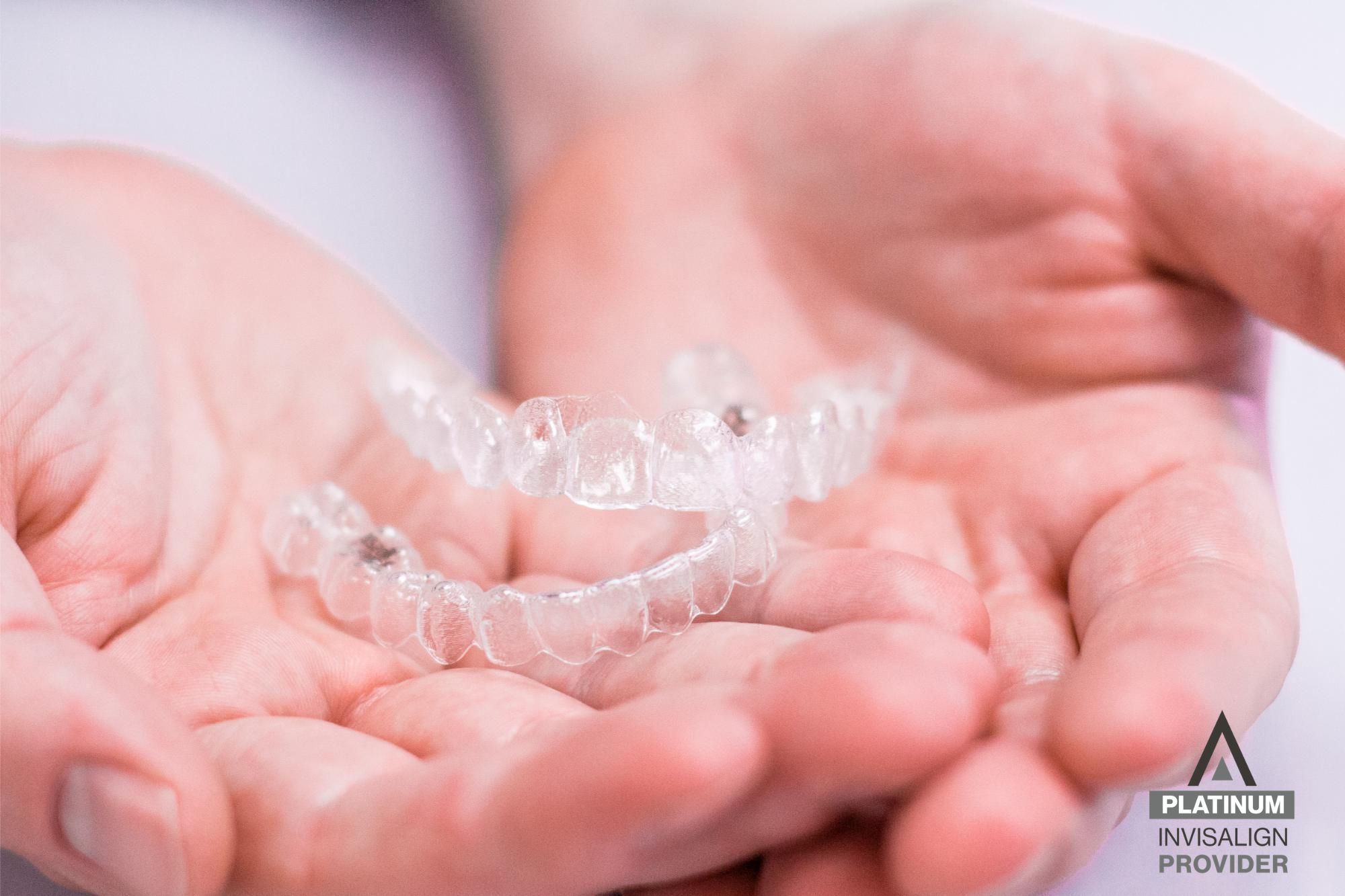
Aligner treatment didn’t arrive here as a trend. It arrived as a discipline, studied and taught from the start. Invisalign has been part of this practice since the technology’s earliest years, and Dr. Orhan Tuncay edited The Invisalign® System, a foundational textbook on aligner treatment published by Quintessence in 2006. That thinking still shapes every Invisalign plan we build for families today.
What an “Invisalign Origin Story” Actually Means
An “Invisalign origin story” describes a practice that adopted clear aligner treatment in its earliest years and helped shape how the technology gets used. Invisalign received FDA clearance in 1998, then reached general dental practices only gradually. Early adopters had to learn aligner mechanics by hand, long before software automated most of the planning work.
That distinction matters more than it sounds.
Software today suggests staging, attachment placement, and tooth sequencing automatically. Someone still has to read those suggestions and know when they’re wrong. Orthodontists who learned aligners before automation developed judgment that no default setting replaces.
At our practice, aligners have never been a bolt-on service offered next to everything else. They’re a core discipline. Dr. Tuncay holds a patent for 3D imaging innovations, founded four international orthodontic journals, and has published nearly 200 papers in scientific and clinical literature. Dr. Jordyn Middleberg carries that work forward as a board-certified orthodontist, certified by the American Board of Orthodontics (ABO).
Here’s why the history has practical value for you: case volume compounds. Every rotated canine, every deep bite, every relapse case after old braces adds to a mental library of what aligners can and can’t do. Decades of that library means fewer surprises in your plan.
You get the benefit without needing to know the backstory. What’s documented is what counts: early adoption, a published textbook, and decades of cases planned by hand before software could do any of it for you.
How Invisalign Treatment Works at Rittenhouse Orthodontics
Invisalign treatment at Rittenhouse Orthodontics follows six clear stages: a free consult, a digital scan, a custom plan, daily aligner wear, progress checkups, and a retainer phase. Most families move from first visit to first aligner within a few weeks. Dr. Middleberg maps every tooth movement before you wear tray one.
- Free consult. We look at your bite, listen to what bothers you, and confirm whether aligners actually suit your case. No referral needed. If braces would serve you better, we’ll say so.
- Digital scan. A handheld scanner builds a 3D model of your teeth in minutes. No goo, no guesses. Digital scans also mean your records live in a paperless chart, so nothing gets lost between visits.
- Your custom plan. Dr. Middleberg sequences each movement and decides where small tooth-colored attachments go. Attachment placement is where experience shows up most. Poor placement means slow tracking and extra refinements later.
- Daily wear. Wear each aligner 20 to 22 hours a day. Trays come out for meals, coffee, brushing, and big moments. You’ll switch to the next set on the schedule Dr. Middleberg gives you, typically every one to two weeks.
- Progress checkups. Visits usually land every 6 to 10 weeks. We check that your teeth are tracking the plan. If a tooth lags, we adjust. Refinement aligners get added when the finish needs polishing, which is normal rather than a setback.
- Retainers. Teeth drift for life. A retainer locks in your smile results and keeps them there. We’ll walk you through wear schedules and replacement options before you finish.
Benefits of Choosing an Experienced Invisalign Provider
An experienced Invisalign provider gives you three things a newer one can’t reliably offer: accurate case screening before you commit, smarter attachment and staging decisions that keep treatment tracking, and fewer mid-course corrections. Together they add up to a shorter path to your smile results with far fewer surprises along the way.
Experience changes what aligner treatment feels like from the inside. Here’s what shows up in real cases:
- Fewer surprises. Rotations, extrusions, and closing extraction spaces are the movements aligners struggle with most. Experienced planners build extra staging around them from the start instead of discovering the issue in month seven.
- Smarter attachments and staging. Good decisions early mean fewer mid-treatment resets. Resets cost you months.
- Honest case screening. An aligner-first practice knows when a case belongs in metal braces. Hearing that at your free consult saves you far more than hearing it halfway through.
- Faster, more accurate records. Digital scans capture detail putty can’t, and they shorten your visit considerably.
- Real flexibility. Trays come out for lunch, for brushing, for a client presentation, for wedding photos. Life doesn’t pause for orthodontics.
- Predictable visit rhythm. Checkups spaced every 6 to 10 weeks fit busy work calendars and school schedules without constant rescheduling.
There’s a quieter benefit too. When your orthodontist has seen a case like yours many times, conversations get shorter and clearer. You ask a question, you get a straight answer. Zero stress.
Both Dr. Middleberg and Dr. Tuncay hold membership in the Charles H. Tweed International Foundation, and our practice maintains memberships with the AAO, ADA, and the Angle Society. Dr. Tuncay is also a Fellow of the College of Physicians. Credentials don’t move teeth on their own. They do tell you who’s reading your scan.
Invisalign vs Metal Braces vs Clear Braces
Three good options, three different fits. The right one depends on your case, not just your preference.
| Feature | Invisalign | Metal Braces | Clear Braces |
|---|---|---|---|
| Visibility | Nearly invisible | Visible brackets and wires | Brackets blend with enamel |
| Removable? | Yes, for meals and cleaning | No, fixed to teeth | No, fixed to teeth |
| Hygiene | Brush and floss normally | Requires extra tools and technique | Requires extra tools and technique |
| Visit rhythm | Every 6-10 weeks | Every 4-8 weeks | Every 4-8 weeks |
| Wear discipline needed | High (20-22 hrs daily) | None, they work around the clock | None, they work around the clock |
| Best fit | Crowding, spacing, mild-to-moderate bite issues, adult relapse | Complex bite correction, growing kids, extraction cases | Adults and teens wanting discretion with fixed control |
What Makes Invisalign Different?
Crystal-clear trays slip over your smile and stay out of your photos. The tradeoff is honest: they only work while they’re in your mouth. Discipline is part of the treatment.
When Do Metal Braces Make More Sense?
Today’s metal braces are sleeker and smaller than the ones you remember. They give Dr. Middleberg the strongest control over complex movements, and compliance isn’t a variable. Fewer repairs, more peace of mind for busy families. Kids and teens often love picking colors.
What About Clear Braces?
Clear braces use ceramic brackets that blend into your enamel while working just as hard as metal. You get discretion plus fixed control, which suits adults who don’t trust themselves to keep trays in.
Case complexity, age, lifestyle, and self-discipline all factor in. We’ll talk through all three at your free consult and tell you which fits your smile story best.
Are You a Good Candidate for Invisalign?
Most adults and teens with all their permanent teeth are aligner candidates. The strongest cases share a few traits:
- Crowding or spacing. Aligners handle both well.
- Mild-to-moderate bite issues. Overbite, some crossbite work, and rotation correction all fit within aligner range.
- Relapse after previous braces. Teeth that shifted years after treatment are a classic Invisalign case, often a short one.
- Erupted permanent teeth. Aligners need something predictable to grip.
- Twenty to 22 hours a day, every day, plus tracking your change dates. Willingness to commit is the real requirement.
A few situations point elsewhere:
- Severe skeletal discrepancies, where the jaws themselves are mismatched, may call for braces or combined treatment.
- Major rotations on canines and premolars sometimes need bracket-level control.
- Active decay or gum disease should be treated first. Aligners sit against your teeth for most of the day, so oral health comes before movement.
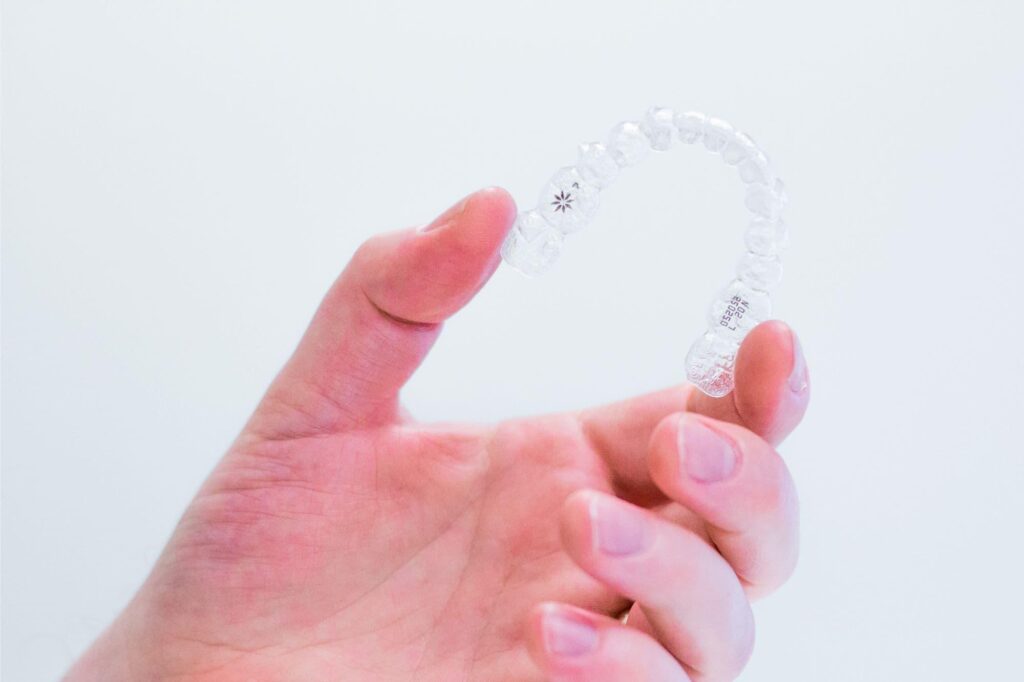
Teens can absolutely wear Invisalign. Compliance indicators on the trays fade with wear, so parents stay in the loop without nagging. Whether you’re 17 or 47, the answer comes from your scan, not a guess.
Book a free consult, get the digital scan, and you’ll leave with a definitive answer instead of a maybe. Your smile story starts with a conversation, not a commitment. Bring your questions, and you’ll leave knowing exactly what aligners can do for you. Both of our offices welcome families for free consults, with no referral required, and Saturday hours and flexible scheduling make it easier to fit orthodontics around work and school. High-tech smiles for your whole family, from the practice where Invisalign was born.
Frequently Asked Questions About Invisalign
How long does Invisalign take?
Most cases run 6 to 18 months, though the range depends on how much movement your teeth need. Minor crowding or a small relapse case can finish quickly. Full-bite correction takes longer. Dr. Middleberg gives you an estimated timeline at your free consult, before you commit.
Does Invisalign hurt?
You’ll feel mild pressure for a day or two with each new aligner. That’s the tray doing its job. Most families describe it as tightness rather than soreness, and it fades as your teeth settle. Switching trays at bedtime helps you sleep through the adjustment period.
Can teens use Invisalign?
Yes. Teen aligners include compliance indicators, small blue dots that fade with wear time, so parents can confirm the trays are actually in. Teens who play sports or instruments often prefer aligners over brackets. Adequate wear time is the deciding factor, not age.
Is Invisalign as effective as metal braces?
For most crowding and spacing cases, yes. Aligners have grown considerably more capable since 1998, and planning software plus attachment design handles movements that were once out of reach. Complex bite corrections and certain rotations still favor fixed braces, which is exactly what we screen for at your first visit.
Do I need retainers after Invisalign?
Yes, and this part isn’t optional. Teeth keep shifting throughout life, and retention is ongoing maintenance rather than a short final step. The American Association of Orthodontists notes that wearing retainers as directed is what protects your smile results long-term. We’ll set you up with a plan you can actually stick to.
Does the orthodontist’s experience really change my smile results?
It changes the finish. Software proposes a plan, but a person decides whether that plan is realistic for your specific teeth. Judgment about staging, attachments, and when to add refinements is what separates a case that tracks smoothly from one that stalls. Dr. Tuncay’s textbook and 3D imaging patent came from exactly that kind of problem-solving, and Dr. Middleberg applies it daily.