Finding the right orthodontist shapes your smile for life. That makes the decision worth real research, not a quick Google search. Learning how to choose an orthodontist means knowing what credentials to look for, which treatments fit your goals, and how to spot a team that treats your family like family. This guide breaks down each part, from orthodontic training to budget questions, so you can pick a practice with confidence.

What Does It Mean to Choose the Right Orthodontist?
Choosing the right orthodontist means selecting a specialist whose credentials, treatment options, and chairside manner match your family’s needs. The right fit balances clinical expertise with everyday comfort, so every visit feels easy.
An orthodontist is a dental specialist who completes additional training beyond dental school, focused on tooth movement, bite correction, and jaw alignment. That depth of training is what sets the specialty apart.
Here’s where many families get tripped up. A general dentist can offer braces or Invisalign, but they may not have completed the specialty residency that orthodontists have. That extra training matters when your case involves complex crowding, bite issues, or jaw growth concerns in kids.
Specialist care also means access to high-tech tools, deeper case experience, and a team that handles orthodontic care daily. You’ll feel the difference in how treatment is planned, how questions are answered, and how smile results hold up over time.
This guide covers what to look for, including:
- Credentials and orthodontic training
- Treatment options and technology
- The visit process and consultation experience
- Budget, insurance, and financing
- Key questions to ask before you commit
How to Choose an Orthodontist in Philadelphia Step by Step
The best way to choose an orthodontist is to review credentials, compare treatment options, tour the office, and complete a consultation before committing. A six-step process helps you weigh expertise, technology, communication, and budget side by side. Following each step protects your investment and helps you find a practice that fits your family’s smile goals. Families across Philadelphia use this same approach when comparing local practices.
How Do You Verify Orthodontic Training and Credentials?
Start by confirming the provider is an orthodontic specialist with advanced training in tooth movement, bite correction, and jaw alignment. At Rittenhouse Orthodontics, Dr. Jordyn Middleberg provides personalized orthodontic care for children, teens, and adults throughout Philadelphia.
What Treatment Options Should the Practice Offer?
Look for a practice that offers Invisalign, metal braces, and clear braces. Variety means your plan can be matched to your lifestyle, your schedule, and your comfort level. The more options on the table, the better your chances of a smile experience that fits how you actually live.
How Do You Check the Technology?
Ask about digital scans, digital X-rays, and 3D imaging. Modern tools mean no goo, no guesses, plus more accurate planning and faster visits. High-tech diagnostics also give your orthodontist a clearer picture of your bite from day one.
How Do You Schedule a Consultation?
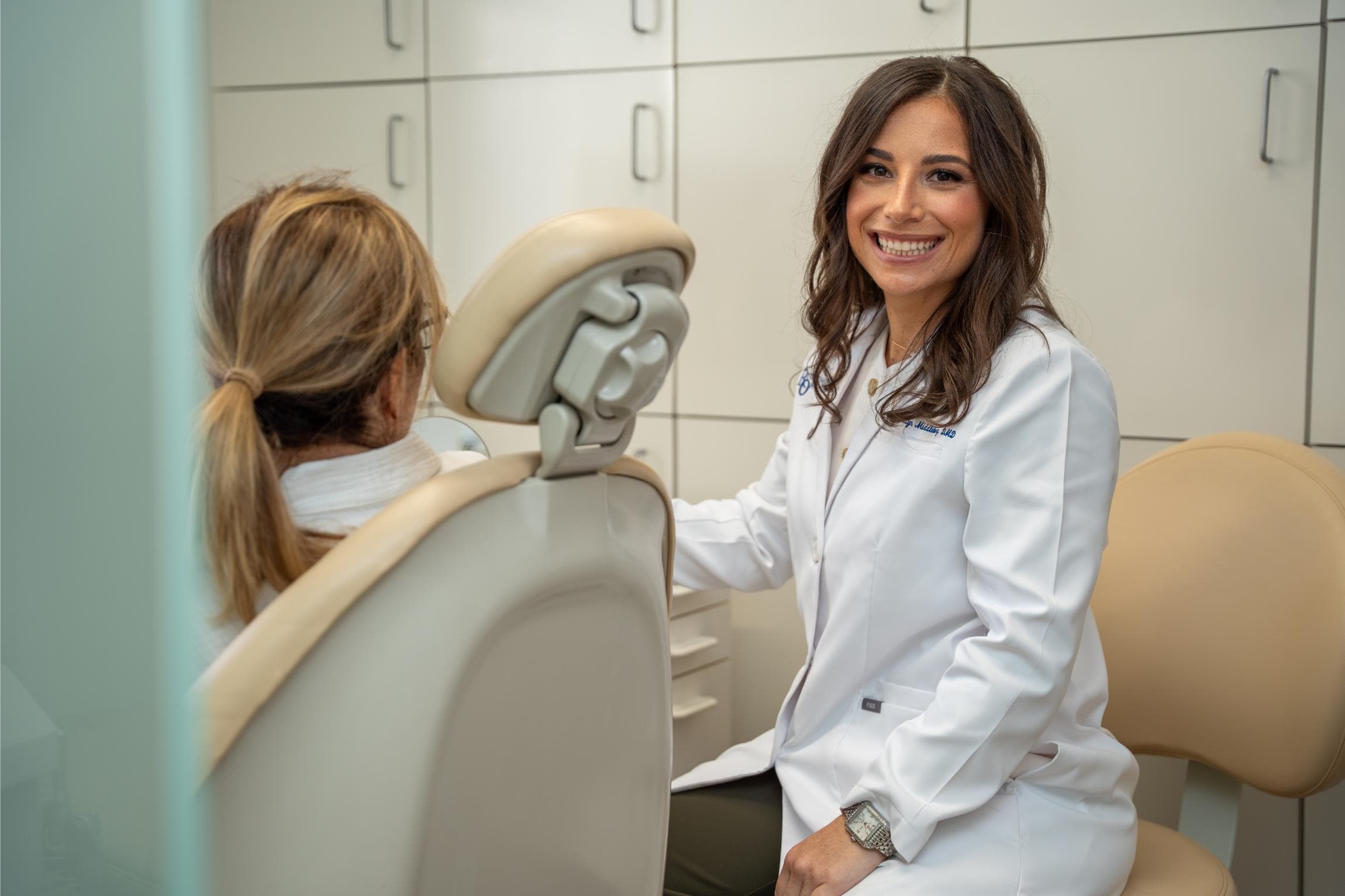
A consultation lets you meet the team, tour the office, and ask questions before any commitment. Pay attention to how the visit feels. Are you greeted warmly? Does Dr. Middleberg take time to explain options in plain language? Do you leave with a clear understanding of your next steps?
How Do You Compare Plans, Timelines, and Budget?
Review each plan side by side. Look at treatment length, payment options, insurance coordination, and what’s included. A clear breakdown helps you spot real value instead of chasing the lowest number.
How Do You Read Reviews and Ask About Case Experience?
Look for patient feedback that speaks to communication, comfort, results, and the overall experience. You can also review the practice’s reviews and testimonials and ask whether the team regularly treats cases like yours, whether that’s early kid evaluations, teen Invisalign, or adult smile stories.
Benefits of Choosing a Specialist Orthodontist
Picking a specialist over a general dentist gives you focused expertise, broader treatment options, and better long-term smile planning. Orthodontists train specifically in tooth movement and bite correction, which leads to more predictable care and fewer surprises.
What does specialist care bring to your family? Quite a lot:
- Deep expertise in alignment and bite correction. Orthodontists handle these cases every single day, building experience that general dentists simply can’t match.
- Full treatment range for every age. From early evaluations for kids to discreet Invisalign for adults, a specialist can match the right tool to the right smile.
- High-tech diagnostics. Digital scans, 3D imaging, and digital X-rays give Dr. Middleberg a precise view of your bite. Accurate diagnosis helps create a treatment plan that fits your actual smile, not a one-size-fits-all guess.
- Plans built for your goals. Whether you want straighter teeth for a wedding photo or a healthier bite for your child, the plan reflects your priorities.
- Ongoing monitoring through every visit. Specialists watch progress closely and adjust as needed, which helps reduce complications and keeps your timeline steady.
At Rittenhouse Orthodontics, this kind of specialist care comes with a family-friendly feel. The practice has a long history of orthodontic care in Philadelphia, including the legacy of Dr. Orhan Tuncay, with Dr. Middleberg leading patient care today.

Orthodontist vs. Dentist: Which Should You Choose?
Both general dentists and orthodontists can offer braces or Invisalign, but their training, focus, and case experience differ significantly. For many alignment and bite cases, an orthodontist is the better fit because they focus specifically on moving teeth and correcting bite relationships.
| Feature | Orthodontist | General Dentist |
|---|---|---|
| Training | Dental school plus advanced orthodontic specialty training | Dental school and general dental training |
| Focus | Tooth alignment, bite correction, jaw growth | General oral health, fillings, cleanings |
| Case Range | Simple to complex orthodontic cases | Often mild alignment issues |
| Technology | Digital scans, 3D imaging, treatment-specific tools | Often more limited orthodontic tech |
| Best Fit For | Kids, teens, adults needing alignment or bite work | Routine dental care and basic cleanings |
When might a general dentist be enough? If you only need a very minor cosmetic tweak and your dentist offers clear aligner systems, that may work for some simple cases. But for crowding, gaps, overbites, underbites, crossbites, or any treatment for growing kids, a specialist gives you the depth of experience your smile deserves.
The short version: routine dental care belongs with your dentist, and alignment work belongs with an orthodontist.
Cost Factors When Choosing an Orthodontist
Orthodontic budgets depend on treatment type, case complexity, length of treatment, and insurance coverage. A consultation at Rittenhouse Orthodontics gives you a clear picture of pricing before you commit, so there are no surprises later. Value matters more than the lowest sticker price, since experience and technology directly affect your smile results. Families comparing practices across Philadelphia will see budgets shift based on these same factors.
Several factors shape your total budget:
- Treatment type. Invisalign, metal braces, and clear braces each have different price points. Metal braces are often the most budget-friendly, while Invisalign and clear braces add a discreet look that many teens and adults prefer.
- Case complexity. Simple alignment costs less than cases involving bite correction or longer timelines.
- Treatment length. Most plans run 12 to 24 months, and longer cases may affect the total investment.
- Insurance and financing. Many plans include orthodontic benefits. Rittenhouse Orthodontics offers financing and insurance coordination to help spread payments over time.
- Consultations help you compare plans. Meeting the team and reviewing your options helps you weigh treatment paths without pressure.
| Treatment Type | Typical Use Case | Visibility |
|---|---|---|
| Invisalign | Mild to moderate cases, adults and teens | Nearly invisible |
| Clear Braces | Moderate to complex cases, discreet look | Low-visibility |
| Metal Braces | All case types, often most budget-friendly | Visible |
Think long term. A practice with experienced specialists and high-tech tools may cost a bit more upfront but often delivers smoother treatment and lasting smile results.
Are You a Candidate? Matching Your Needs to the Right Orthodontist
Most alignment and bite concerns can be treated by an orthodontist, regardless of age. Whether you’re seven or forty-seven, the right provider will match the treatment to your stage of life, your goals, and your daily routine. The key is finding a practice with real experience in your age group and case type. Many Philadelphia families start their search by checking which providers treat their child’s age range.
Common issues that respond well to orthodontic care include:
- Crowding that makes brushing and flossing harder
- Gaps between teeth that may affect your bite or smile confidence
- Overbite, underbite, and crossbite that may cause uneven wear or jaw strain
- Bite alignment issues affecting how you chew or speak
Candidacy looks different at each stage of life:
- Kids. The AAO recommends a first orthodontic evaluation by age seven. Early visits help Dr. Middleberg spot jaw growth patterns and plan timing for any future treatment.
- Teens. Most teens choose between metal braces, clear braces, and Invisalign Teen based on their lifestyle, sports, and personal style.
- Adults. Discreet options like Invisalign and clear braces make adult treatment easier to fit into work and social life.
When evaluating providers, ask whether they regularly treat your age group and your specific concern. At Rittenhouse Orthodontics, smiles made easy at every age is more than a phrase, it’s how the practice is built. You can also review our orthodontics for all ages page to learn more about treatment for children, teens, and adults.

Frequently Asked Questions About Choosing an Orthodontist
How do I know if an orthodontist has the right credentials?
You can review the doctor’s education, specialty training, professional background, and experience treating cases like yours. A trustworthy orthodontic practice should make this information easy to find and should be happy to answer credential questions during your consultation.
What questions should I ask at my first consultation?
Ask about treatment options, expected timeline, total budget, insurance coordination, and how often you’ll come in for visits. It’s also smart to ask whether the provider has treated cases similar to yours. A good consultation should leave you feeling informed, not pressured.
How long does orthodontic treatment usually take?
Most orthodontic treatment runs 12 to 24 months, though shorter and longer timelines exist depending on the case. Invisalign, metal braces, and clear braces all have similar typical ranges, with complexity playing the biggest role. Dr. Middleberg will give you a personalized timeline at your consultation.
Is Invisalign or braces better for my situation?
That depends on your case, your age, and your lifestyle. Invisalign works well for many mild to moderate cases and offers a nearly invisible look. Metal and clear braces remain excellent choices for more complex cases or younger patients. The best answer comes from an in-person evaluation with an orthodontist.
Do orthodontists offer consultations?
Many do, including Rittenhouse Orthodontics. A consultation lets you meet the team, tour the office, and review options before any commitment. It’s the simplest way to see if a practice feels like the right fit for your family.
How much does orthodontic treatment cost?
Your total budget depends on treatment type, case complexity, and length of care. Insurance, flexible payment plans, and financing can all lower out-of-pocket costs. A consultation gives you a clear, personalized estimate so you can plan ahead with less stress.
Your smile story starts with a consultation. Rittenhouse Orthodontics offers high-tech smiles for your whole family. When you’re ready to learn more, a visit with Dr. Middleberg is a simple, no-pressure way to explore your options and see what fits your family best.
Learn more about braces and Invisalign in Philadelphia, explore our treatment options, or book your consultation online to get started.